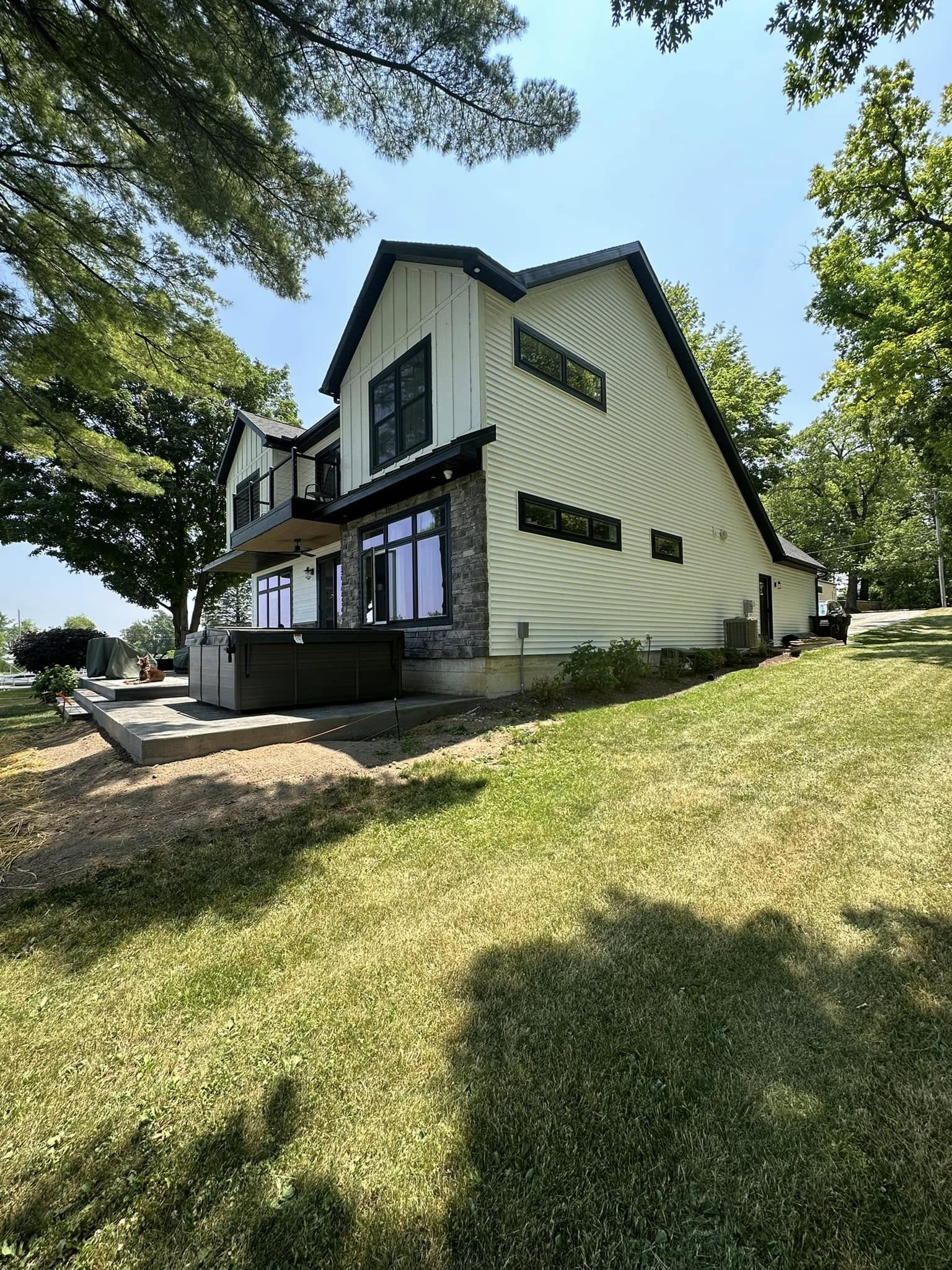
Weatherproofing Your Home: Essential Tips for All Seasons Dec 06, 2025
Begin your weatherproofing journey with a thorough inspection of your home’s exterior. Look for any signs of wear and tear such as cracks, gaps, or damaged caulking around windows and doors. These small imperfections can lead to significant energy loss and water intrusion, making repairs a priority. Use exterior-grade caulk to seal any gaps you find, paying close attention to areas around vents and outlets as well.
For optimal thermal regulation, ensuring adequate insulation is vital. Focus on attics and basements where heat loss is most prevalent. Proper insulation can minimize heating and cooling expenses, making your home more energy-efficient. Consider upgrading to spray foam or cellulose insulation for increased effectiveness. Don't forget to insulate your hot water pipes as well, which can prevent energy loss and maintain warmth.
Windows are another critical area for weatherproofing. Energy-efficient windows can drastically reduce your energy bills. If replacing windows isn't in the budget, consider installing storm windows or applying thermal window film as a temporary solution. Adding heavy curtains or thermal-lined drapes can provide an additional barrier against the cold or heat.
Protecting your roof is crucial in all seasons. Regularly examine your roof for loose or missing shingles, which can lead to leaks and further damage. Clean out gutters and downspouts to ensure proper drainage and prevent water buildup, which can cause damage during heavy rains. In winter, prevent ice dams by ensuring proper insulation and ventilation in your attic, allowing air to circulate freely.
Weatherproofing extends beyond the home’s structure; landscaping also plays a role. Trim tree branches that could potentially damage your home during inclement weather. Consider grading the land around your house to direct water away, preventing basement flooding. Mulch garden beds to retain soil moisture and insulate plant roots throughout the changing seasons.
As part of your weatherproofing routine, evaluate your heating and cooling systems. Regular maintenance ensures your HVAC system operates efficiently year-round. Replace filters regularly and consider a professional assessment to identify any inefficiencies or necessary repairs. Installing a programmable thermostat can also optimize energy use by adjusting temperatures based on your schedule.
Weatherproofing is not only about preparing your home for adverse conditions but also about creating a more energy-efficient environment. Regular maintenance and upgrades can significantly impact your home’s comfort and safety. By following these tips from Integrity Restoration & Construction, you can ensure your home withstands all seasonal challenges while maintaining its value and your peace of mind. Whether it’s sealing windows, inspecting the roof, or maintaining your HVAC system, these actionable steps will help keep your home safe, secure, and ready for whatever weather comes your way.
/filters:no_upscale()/filters:format(webp)/media/52c5150a-252d-415d-a167-1ca6aa428767.jpeg)
/filters:no_upscale()/filters:format(webp)/media/c3d775b5-a343-4aad-829e-43aed9d70b78.jpeg)