Weatherproof Your Home: Essential Construction Tips for Longevity and Durability Dec 19, 2025
Begin with a thorough inspection of your home to identify areas that are vulnerable to weather damage. Look for cracks in walls, leaks in roofing, and any signs of deteriorating materials. Addressing these issues early can prevent more significant problems later. Repairing cracks and leaks will also improve your home's energy efficiency, helping to regulate temperature and reduce heating and cooling costs.
One of the most effective ways to weatherproof your home is by investing in high-quality insulation. Proper insulation not only keeps your home warm in the winter and cool in the summer but also acts as a barrier against moisture intrusion. Ensure your attic, walls, and floors are well-insulated to protect against temperature fluctuations and moisture buildup, which can lead to mold and structural damage.
Windows and doors are common weak points in home construction. To enhance their resistance to weather, consider installing energy-efficient windows with double or triple glazing. These types of windows provide better insulation and reduce the possibility of drafts. Similarly, install weatherstripping around doors to seal gaps, preventing air leaks and water ingress. This simple step can significantly improve your home’s energy efficiency and protect it from harsh weather conditions.
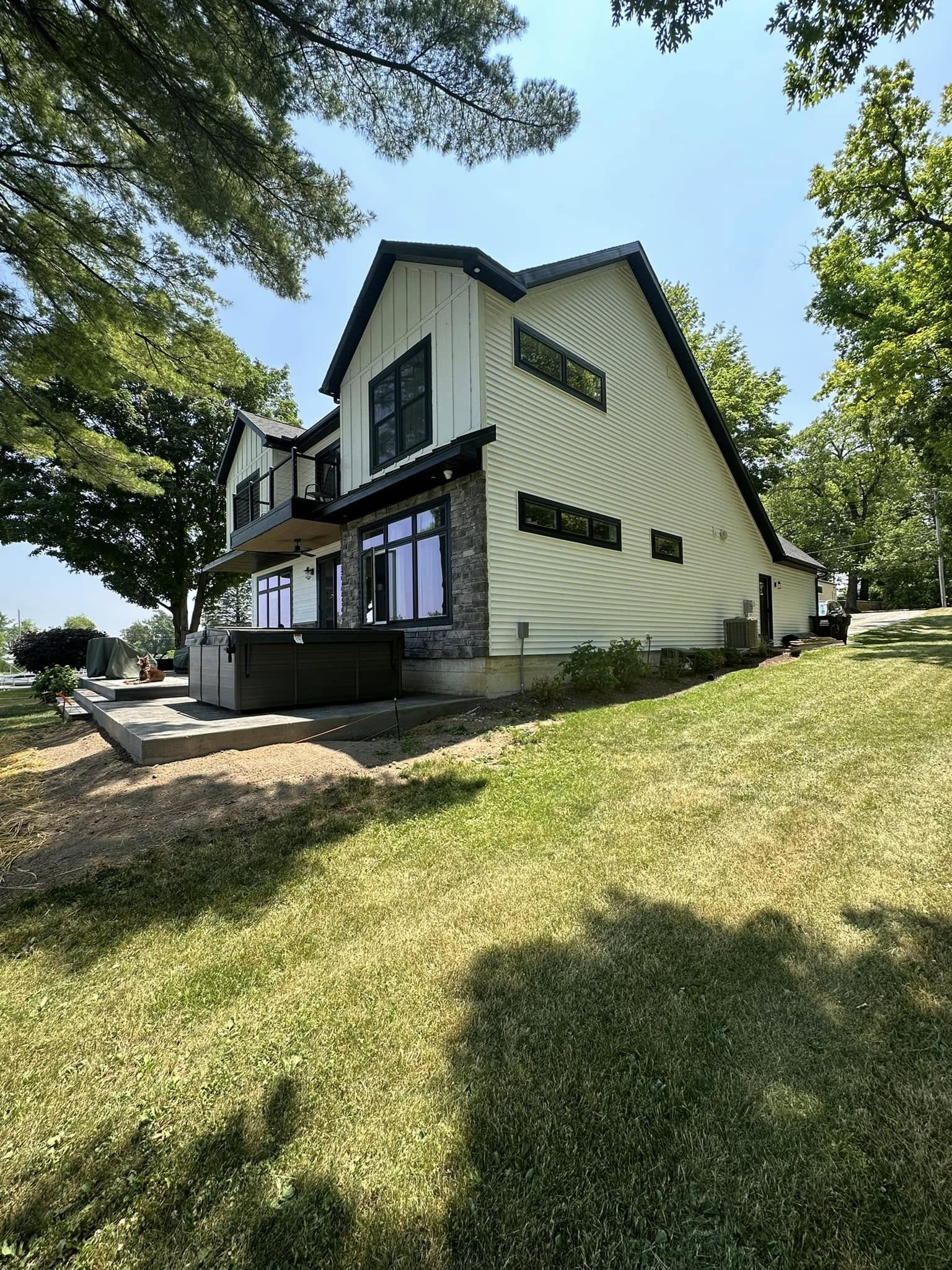
The exterior of your home, including siding and roofing, plays a critical role in weatherproofing. Opt for durable materials like fiber cement siding or brick, which are designed to withstand various weather elements. Regularly inspect and maintain your roof to ensure it is free from damage. Replacing missing shingles and repairing flashing can prevent water damage that might otherwise compromise the structural integrity of your home.
Drainage is another critical aspect to consider in weatherproofing your home. Proper drainage systems, such as gutters and downspouts, should direct water away from the foundation to prevent erosion and water infiltration. Regularly clean gutters to avoid blockages that can lead to water damage.
Furthermore, landscaping can also play a role in protecting your home from weather elements. Planting trees strategically can provide natural shade and windbreaks, reducing your heating and cooling costs. However, ensure that no trees are planted too close to the structure to avoid root damage or fallen branches during storms.
In conclusion, weatherproofing your home involves a combination of proactive inspection, material upgrades, and routine maintenance. By investing time and resources in these essential construction tips, you can enhance your home's durability and longevity, ensuring a comfortable and safe living environment for years to come.
Integrity Restoration & Construction is committed to helping homeowners protect their investments. Whether you’re considering home repairs or want to upgrade your weatherproofing strategy, contacting our experienced team can be a significant first step. We provide expert consultation and services to ensure your home remains resilient and beautiful through every season.
/filters:no_upscale()/filters:format(webp)/media/52c5150a-252d-415d-a167-1ca6aa428767.jpeg)
/filters:no_upscale()/filters:format(webp)/media/c3d775b5-a343-4aad-829e-43aed9d70b78.jpeg)