Achieving Harmony: Merging Indoor and Outdoor Spaces in Home Remodeling Jun 16, 2026
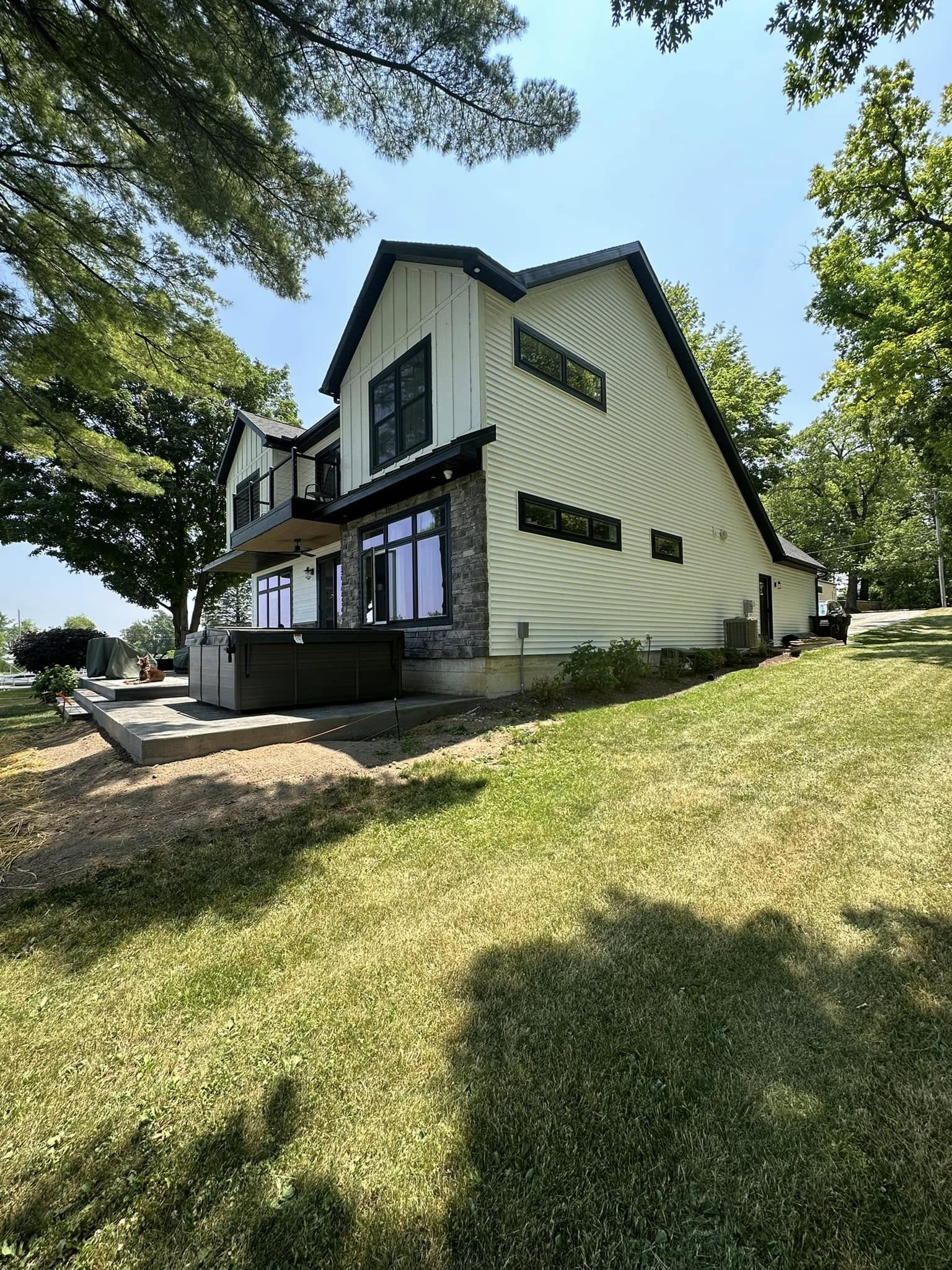
The first step to successfully merging indoor and outdoor spaces is to identify the natural flow between these areas in your home. Consider how your existing architecture connects to your outdoor surroundings. Does the dining room back up to a scenic garden? Is your living room adjacent to a patio? Recognizing these potential transition points is crucial. A great strategy to enhance this connection is through the use of large glass doors or accordion-style walls that can be opened wide to allow the inside to effortlessly flow outside. These elements create an inviting, open space that encourages natural light and fresh air to penetrate your living areas.
Flooring continuity plays a critical role in achieving harmony between indoor and outdoor spaces. Selecting similar materials or complementary textures for both areas can visually unify them. For instance, a natural stone or wood-look tile can extend from the living room into the patio, creating an uninterrupted vista. This design choice not only enhances the illusion of a larger space but also adds a chic, cohesive look to your home.
Incorporating natural elements into your interior design is another effective way to blur the lines between indoors and outdoors. Indoor plants, water features, or even a small herb garden that trickles from the kitchen to an outdoor cooking area can reinforce this connection. Besides improving the visual coherence, these elements also contribute to healthier indoor environments and elevate the overall tranquility of your home.
Lighting is another significant factor to consider when merging your indoor and outdoor areas. To maintain a consistent ambiance, outdoor lighting should complement your indoor fixtures. Soft, warm lights can create a cozy atmosphere, making both the indoor and outdoor areas more welcoming. Moreover, efficient lighting along outdoor pathways and around key features not only enhances safety but also accentuates your landscape, extending the usability of your space well into the evening.
Functional furniture and layout are key components in this endeavor. Opt for versatile pieces that can transition easily between indoor and outdoor use. Weather-resistant materials for outdoor furniture ensure durability while maintaining style. Arranging furniture to encourage effortless movement between spaces can enhance the feeling of one harmonious area, inviting family and guests to freely migrate throughout.
Finally, personal touches like outdoor artwork or themed décor elements can bridge the gap between indoors and outdoors, offering continuity in style and character. Your unique personality should shine through in both settings to create a space that feels holistic and true to your lifestyle.
Merging indoor and outdoor spaces requires careful planning and a keen eye for balance, yet the rewards are substantial. At Integrity Restoration & Construction, we believe that a successful remodel transcends the boundaries of traditional living areas, creating a harmonious environment that enhances both functionality and enjoyment. As you explore the possibilities of this innovative design, remember that the key is in the details—from materials and lighting to personal touches—that together form a beautiful, cohesive sanctuary.
/filters:no_upscale()/filters:format(webp)/media/52c5150a-252d-415d-a167-1ca6aa428767.jpeg)
/filters:no_upscale()/filters:format(webp)/media/c3d775b5-a343-4aad-829e-43aed9d70b78.jpeg)